- Store
- New Arrivals
- Add to Favorite
- View response
- Contact
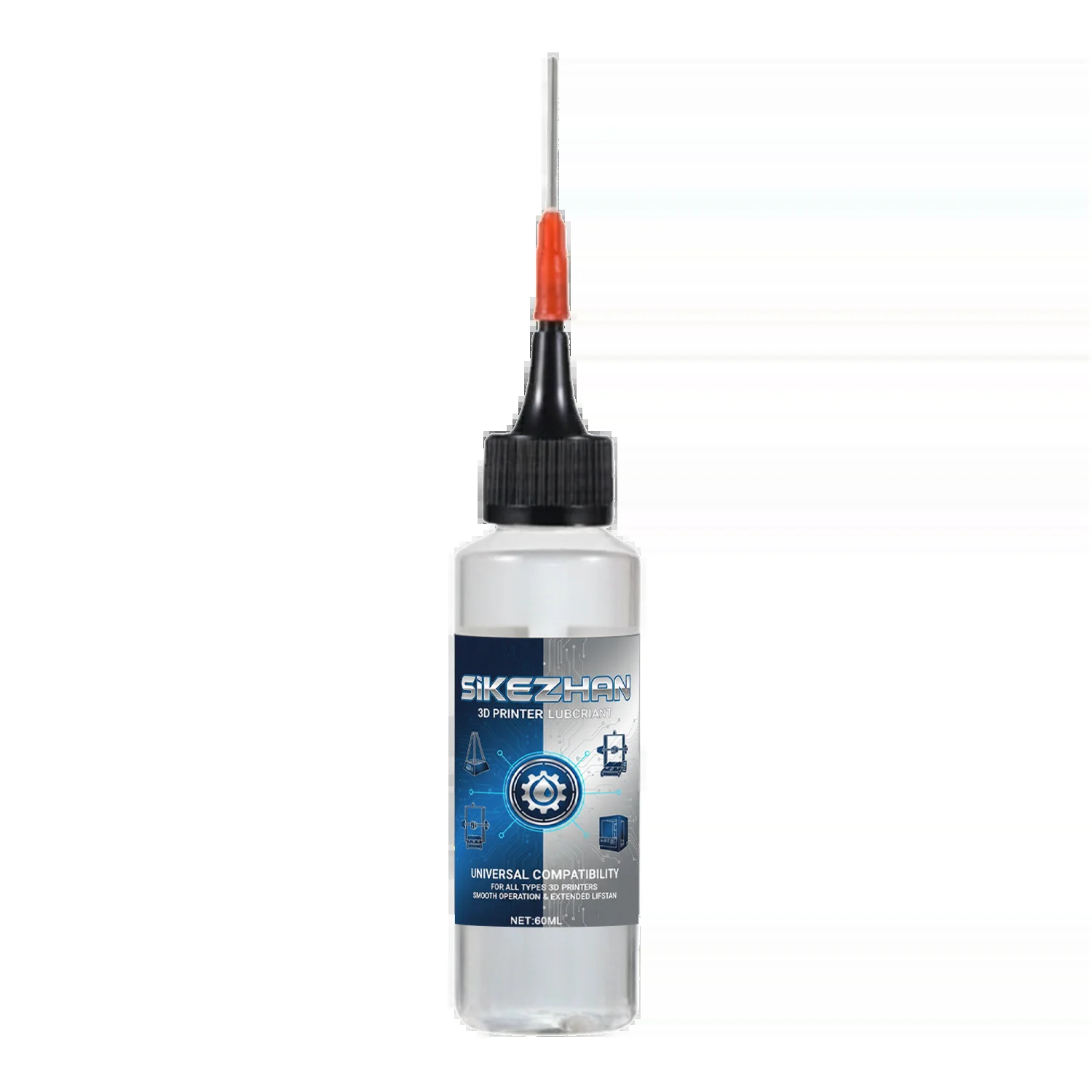
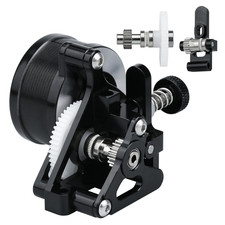
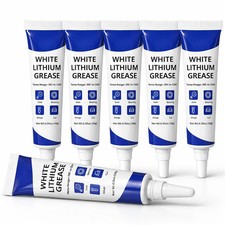
3D Printer Gear Rail Lubricant Grease for Bambu Lab X1C P1S P1P A1 Mini Creality K1 Max Maintenance Oil AccessoriesDescription origin Mainland China item type Hardware Parts / Machine Parts type lubricating oil applicable part Extruder gear | Resin machine Z-axis guide column | V wheel shaft color Colorless and transparent packaging form Drip bottle operating temperature range Recommended -20 - 120 ℃ adhesion middle choice yes
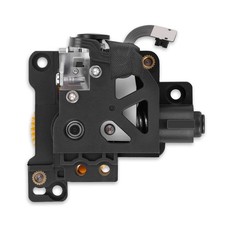
Special lubricating oil/grease for 3D printers | Low noise, low volatility, high cleanliness Suitable for key components such as linear guides, optical axes, ball bearings, screws/nuts, extruder gears, resin machine Z-axis guide columns and sliders
Smooth and Silent: A stable oil film is formed between the guide rail and the screw, reducing friction and impact, resulting in smoother printing operation and lower noise
Low volatility and low odor: indoor friendly, and can be printed for a long time without being pungent
Wear resistant and durable: Contains PTFE/anti-wear and anti-oxidation functional additives to reduce wear and corrosion
Not easy to vacuum: formula optimized for 3D printing dust environment, reducing dust accumulation and secondary pollution
Wide material compatibility: friendly to common materials such as PLA/ABS/PETG/PA/PC/PMMA and NBR/EPDM/FKM rubber
Easy to use and easy to maintain: precise application of syringe/dropper, cleaning - oiling - driving - wiping off remaining oil
Instructions for use
Power off the refrigeration unit → Cleaning: Wipe off old grease, and if necessary, use IPA (isopropanol)/neutral cleaning agent to remove dirt and dry
Application:
Guide rail/optical axis: 1-2 drops of guide rail oil per 100 mm point on each side, evenly push and pull the slider several times
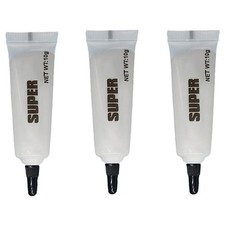
Screw/nut: a thin layer of screw grease, rotate the screw to evenly distribute it
Z-axis guide post/slider: Apply a small amount of silicone oil along the guide post, lift and drive evenly
Wipe off residual oil: a thin film visible on the surface is sufficient to avoid oil splashing and dust collection
Moisturizing cycle: every 50-200 hours or 1-3 months (depending on environmental dust/speed)