|
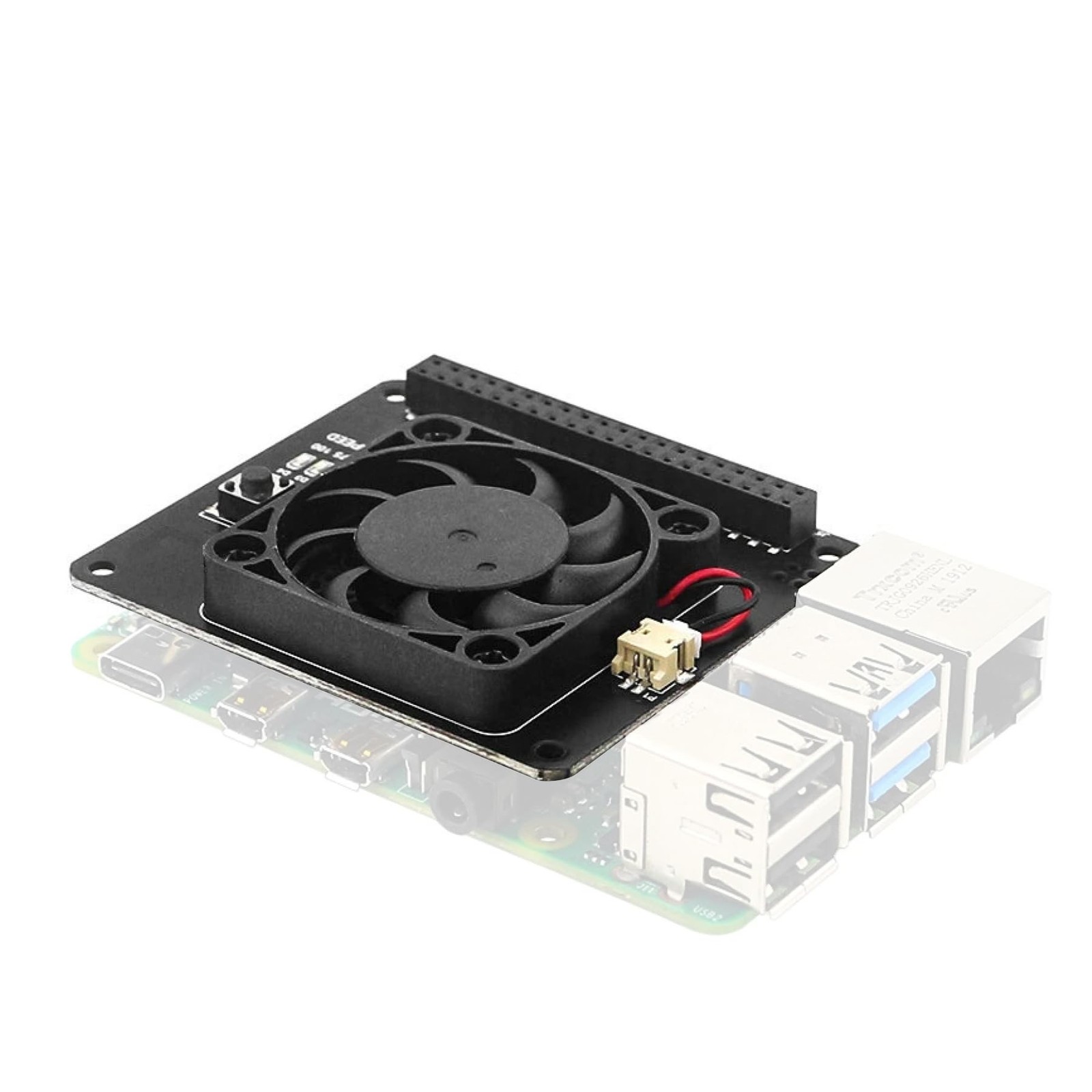
Argon Fan HAT for Raspberry Pi 4 & 3-40mm PWM Fan, Power Button For Sale
|
 When you click on links to various merchants on this site and make a purchase, this can result in this site earning a commission. Affiliate programs and affiliations include, but are not limited to, the eBay Partner Network. When you click on links to various merchants on this site and make a purchase, this can result in this site earning a commission. Affiliate programs and affiliations include, but are not limited to, the eBay Partner Network.
Argon Fan HAT for Raspberry Pi 4 & 3-40mm PWM Fan, Power Button Product Details - Brand: Argon Forty
- Power Connector Type: 2x20 pin header
- Cooling Method: Air
- Compatible Devices: Server
- Noise Level: 48 Decibels
- Material: Plastic
- Maximum Rotational Speed: 5000 RPM
- Air Flow Capacity: 4.34 Cubic Feet Per Minute
- UPC
- Number of Packs: 1
- Power Connector Type: 2x20 pin header
- Cooling Method: Air
- Compatible Devices: Server
- Noise Level: 48 Decibels
- Maximum Rotational Speed: 5000 RPM
- Air Flow Capacity: 4.34 Cubic Feet Per Minute
- Material Type: Plastic
- Brand Name: Argon Forty
- UPC: 670924946939
- Manufacturer: Argon Forty
- Number of Items: 1
- Unit Count: 1.0 Count
- Item Weight: 9.07 g
- Part Number: AR Fan HAT V1
- Efficient Cooling for Raspberry Pi Designed with a 40mm cooling fan, the Argon Fan HAT helps prevent overheating on Raspberry Pi 4 and Raspberry Pi 3 boards, keeping your system stable during heavy workloads like servers, media centers, and development projects.
- PWM & Software-Controlled Fan Speed The fan supports PWM and software temperature control, allowing you to automatically adjust fan speed based on CPU temperature for quieter and more efficient cooling.
- Integrated Power Button Includes a multi-function power button that supports safe shutdown, reboot, and forced shutdown, giving your Raspberry Pi a convenient and safe power management solution.
- Simple One-Line Installation Get started quickly with a single command installation script that enables fan control and button functions, making setup easy even for beginner Raspberry Pi users.
- Flexible for Raspberry Pi Projects Compact HAT design leaves room for heatsinks and accessories, making it ideal for Raspberry Pi servers, clusters, development systems, and DIY electronics projects.
 |
| | |